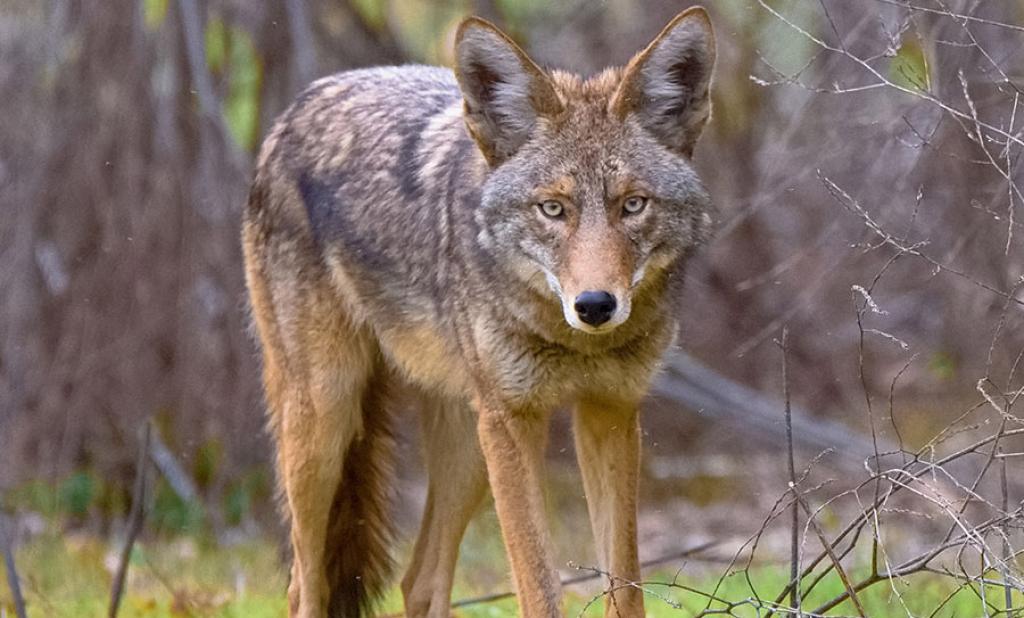

Riverside County, part of the Inland Deserts Region of California, abounds with wildlife. You can expect to encounter a wide variety of animals, including mule deer, bats, insects, snakes, lizards, amphibians, coyotes, possums, black bears, and hundreds of species of birds in various parts of the County. We recommend the book, Wild Neighbors, which is free to download, to learn about how you can coexist with wildlife in your backyard.
The California Department of Fish and Wildlife has jurisdiction over all wildlife in California. Do not attempt to trap wildlife yourself.
RCDAS does not trap or capture healthy wildlife and does not respond to nuisance wildlife calls. If you need assistance trapping or removing a wild animal, please contact your local wildlife mitigation or removal service.
- Coyotes, mountain lions, bobcats, foxes: Call Fish and Wildlife at 909-484-0167
- Bees: Refer to pest control or search for "Bee Removal Service."
- Injured wildlife: We can assist with visibly injured wild animals. To report sick or injured wildlife, contact (951) 358-7387.
- Aggressive wildlife: We respond to immediate threats. Please contact (951) 358-7387.
- Rattlesnakes: RivCo Animal Services can assist with rattlesnakes, but the caller must maintain a visual at all times, from a safe distance. Please contact (951) 358-7387.
BEARS
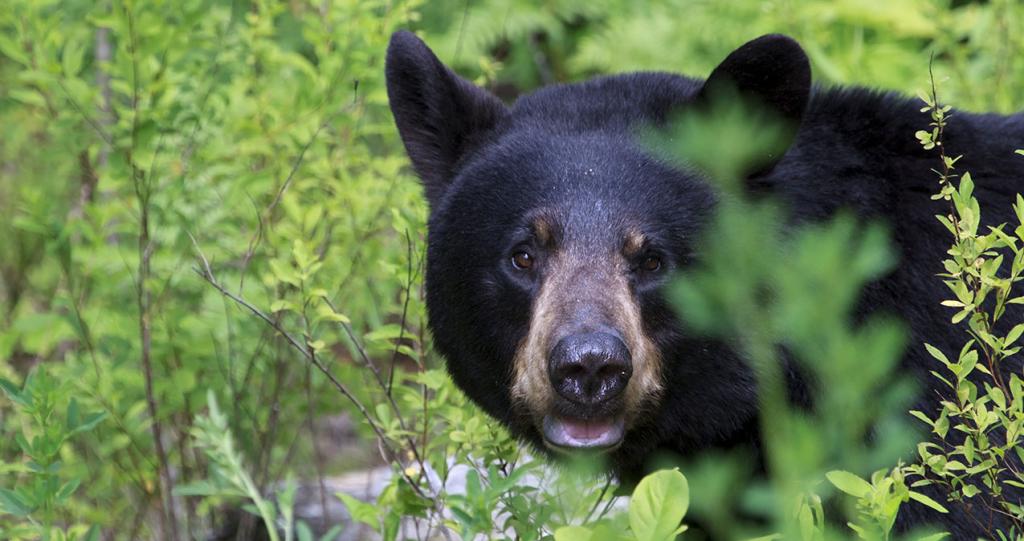
Black bears are the only bears local to Southern California. They are typically timid and nonaggressive, unless defending their young, and prefer to avoid people. But certain conditions can drive them towards humans. When bears become “food conditioned,” they will seek human food out instead of finding their own natural foods. Fires and droughts can also force bears and other wildlife further in their search for food and water.
Image
OPOSSUM, RACCOONS & SKUNKS
The opossum is North America’s oldest most primitive mammal. They are the only marsupials in North America. Being nocturnal animals, they are generally seen at night foraging for food. They are omnivorous and consume many types of plants, fruits and vegetables, carrion, insects, slugs, snails and earthworms.
Raccoons are the most well-known furbearer in California. They are easily distinguishable by their black-masked face and ringed tail. Their human-like forepaws give them great dexterity and aid them in climbing and swimming. Being nocturnal animals, they have keen eyesight and hearing.
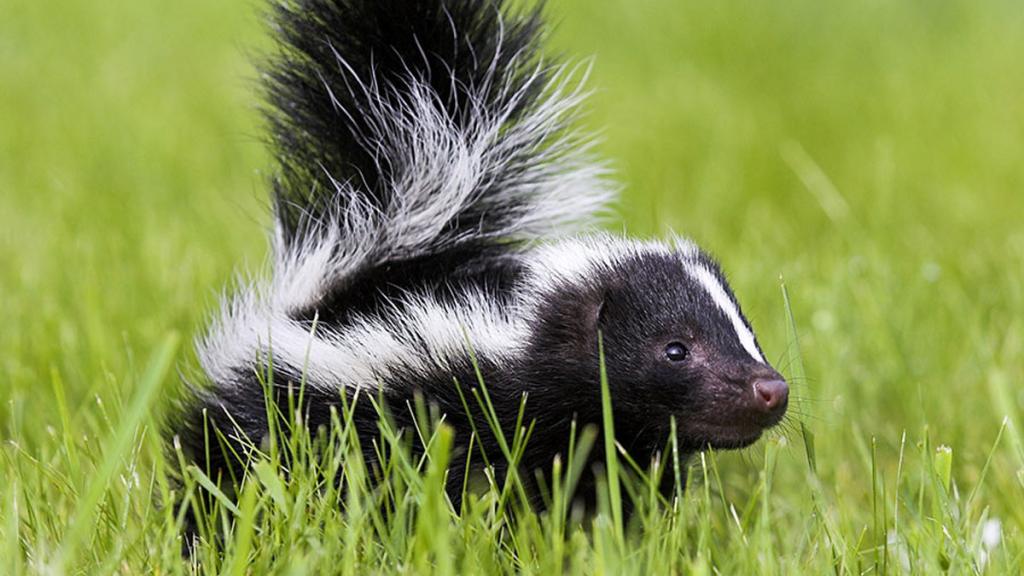
Skunks are primarily solitary animals. Just like humans, they have five toes on their front and hind feet. They have elongated nails that aid them in digging for insects and grubs. Skunks are omnivorous and will eat a variety of insects, wild fruits, and small vertebrates, like mice and eggs of ground nesting birds. Their only natural predator is the great-horned owl.
Image
PEAFOWL
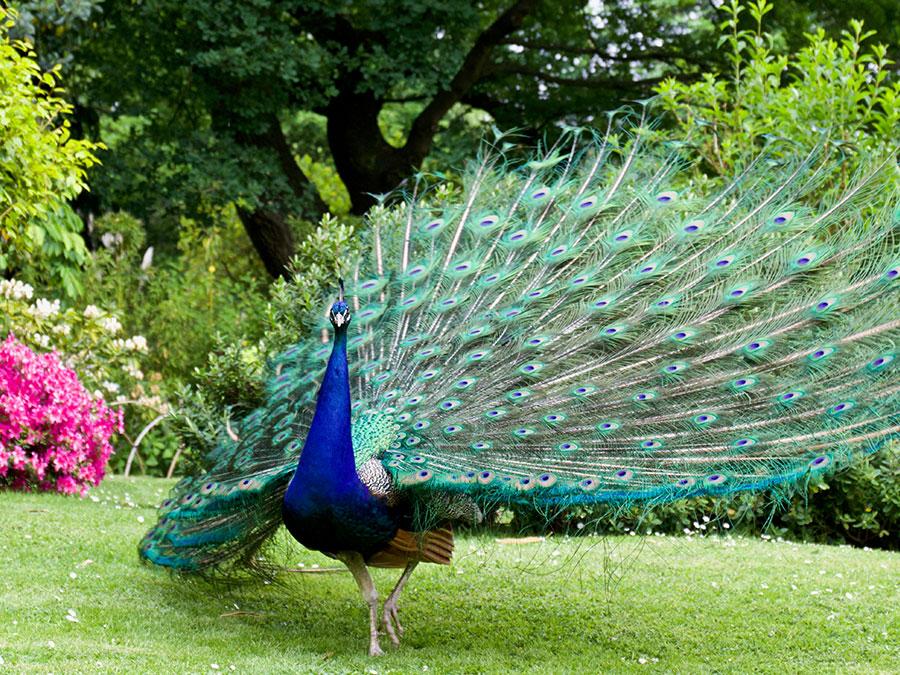
Peafowl are ground feeding birds with very strong legs. Their diet consists mostly of insects. During the summer breeding season, males will grow ornamental feathers and display themselves to females. One male typically lives with two to five females.
Since being introduced to California in the 1940s, peafowl have adapted to residential environments. Peafowl can be a nuisance as they can be noisy and messy. They can devour newly planted flowerbeds, soil lawns, driveways and destroy rooftops.
Image
DEER
Named for their large ears, mule deer are the most common type of deer in our foothills. Mule deer are herbivores. In spring and summer they feed on green leaves, herbs, weeds and grasses. In fall and winter they typically feed on twigs, various shoots and woody plants. They are especially fond of berries, grapes, mushrooms and alfalfa.
Deer are seasonal breeders, usually having one to four fawns in late spring or early summer. Mothers often leave their young while they go out and forage, so it is not concerning to see young deer by themselves. Mothers may aggressively attack if they see you with their young, and their fawns if they smells like humans.
Image
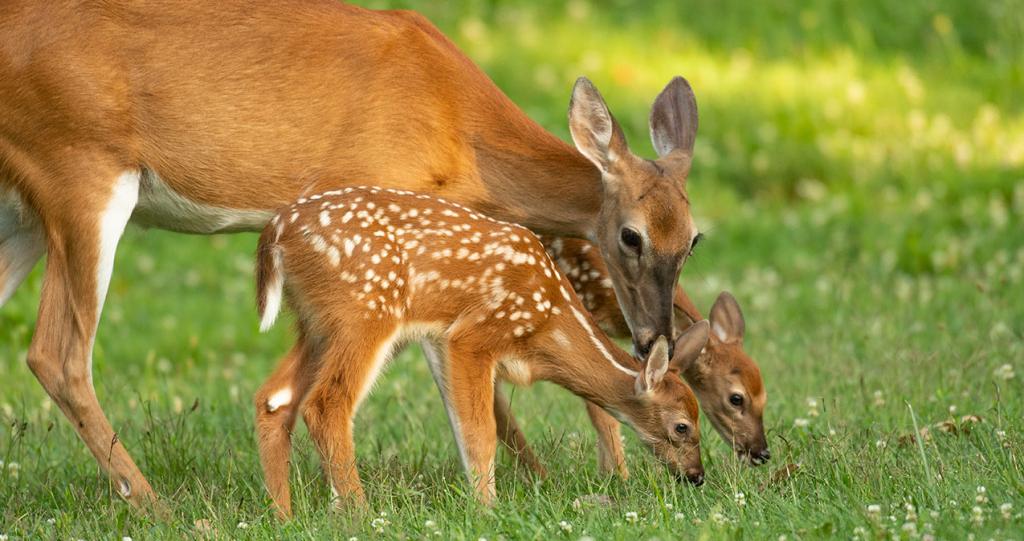
BABY BIRDS & MAMMALS
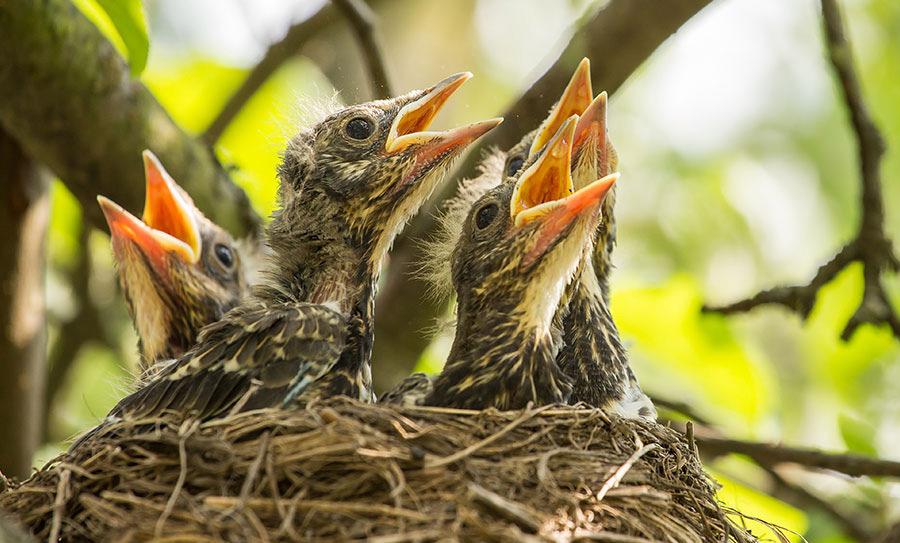
Spring is baby wildlife season. And as the weather warms, we get an increase in calls from good Samaritans who have found baby wild animals like squirrels, opossums and birds. Generally, if you find a baby wild animal, the best thing to do is leave it alone.
Many mammals such as deer and rabbits will leave their young unattended for extended amounts of time to avoid drawing in predators. Baby opossums leave their moms when they are about the size of a dollar bill.
While every situation is different, we created a few flowcharts to help determine what to do if you find a baby wild animal.
Image
RATTLESNAKES
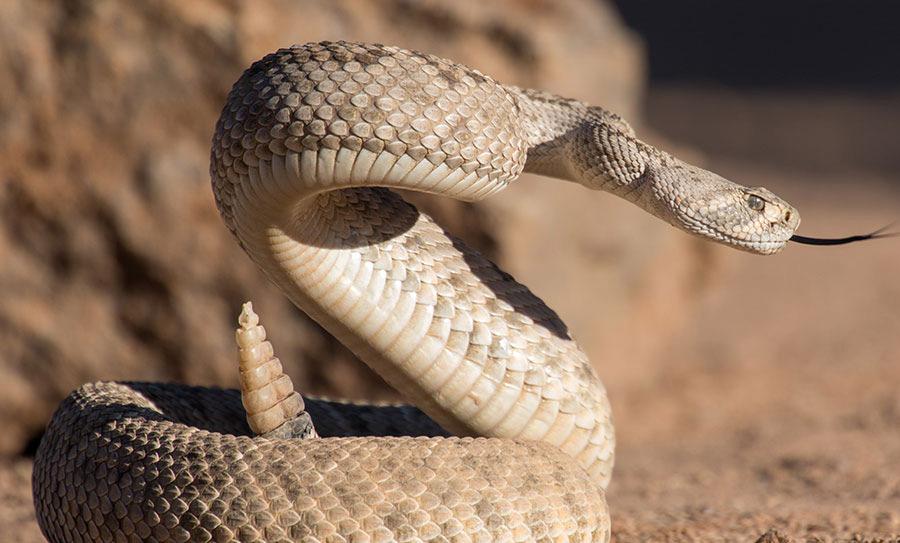
Rattlesnakes are widespread in California and are found in a variety of habitats throughout the state. They may also end up around homes or in yards, oftentimes found in brushy areas or under piles of wood. If they are not provoked or threatened, they will typically retreat and not act aggressively. Most bites generally occur when rattlesnakes are handled or touched accidentally. Rattlesnake bites may cause severe injury and possibly death, but the potential of being bitten is small compared to the risk of other environmental injuries.
Image
Coyotes
Coyotes are found throughout most of California. Coyotes are medium sized animals and they belong to the dog family. Most adults weigh between 22 and 25 pounds on average. They are tan-brown in color with streaks of gray. Coyotes have a very distinct howl or yip, consisting of high-pitched yaps with an occasional bark similar to a dog. Coyotes are skilled predators, they possess the speed, strength and endurance needed to tackle prey as large as an adult deer.
Image